

The digital supply chain: Hidden dependencies in cloud, data, and AI
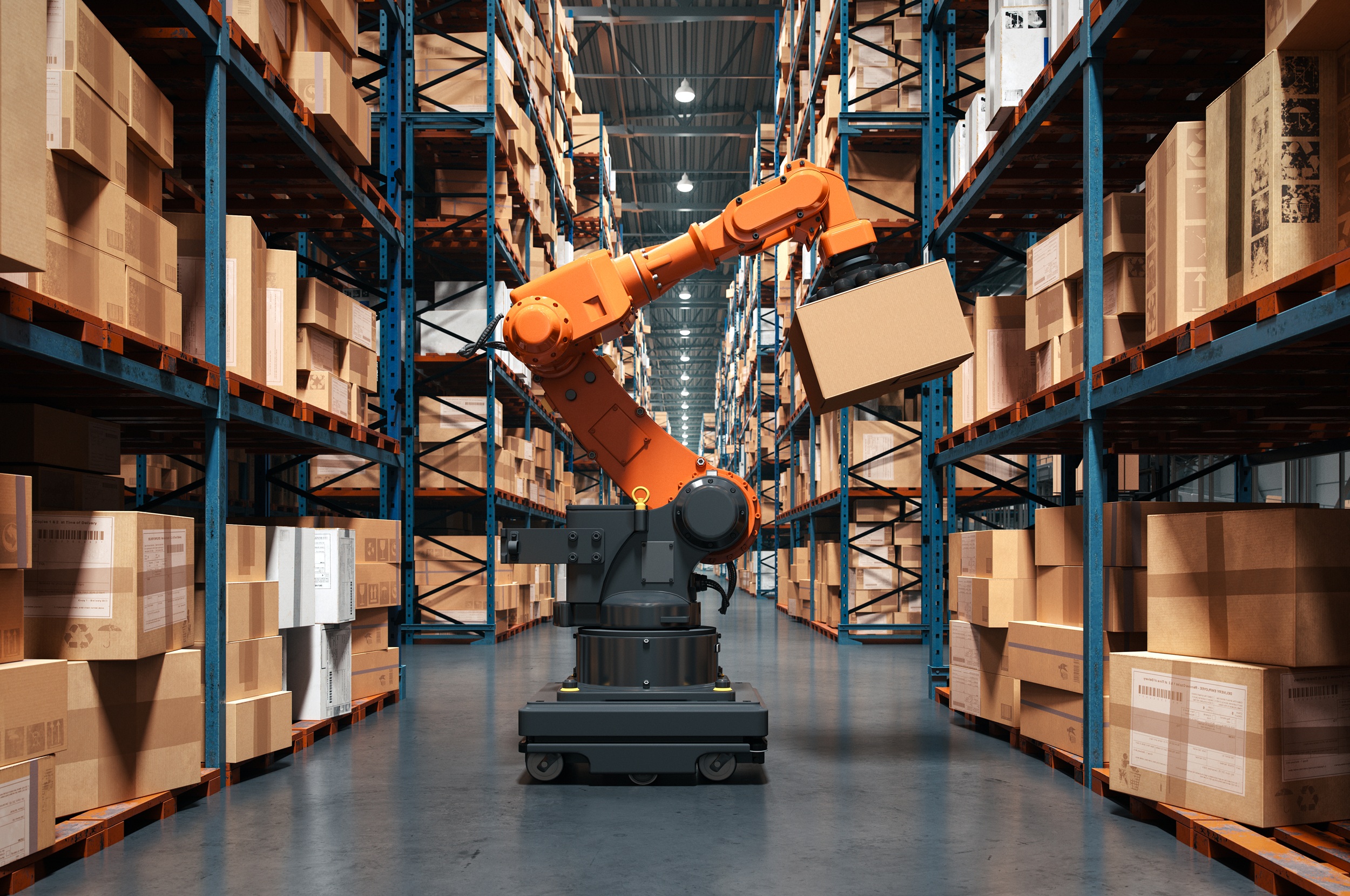
Traditionally, supply chains were interconnected physical networks. Goods and materials would flow between factories, ports, and distributors using different transport methods. Risks typically involved things like shipping delays, failing suppliers, or a warehouse low on stock.
But today, companies must navigate a new layer of challenges in a virtually connected world. A cloud storage outage can prevent staff from accessing core systems, while a data centre issue could affect payments, logistics, or client delivery. A cyber incident at a software provider can create a domino effect with far greater issues than aggrieved customers.
This is the new reality of supply chain risk. If any link of the digital supply chain becomes compromised or fails, the consequences jump from the IT office directly to the CEO's desk.
What is the digital supply chain?
A digital supply chain is a network of technology systems, infrastructure providers, platforms, and data environments that work together to keep an organisation running smoothly. A company's arsenal might include cloud infrastructure providers like IaaS, PaaS, and SaaS, as well as data centres and hosting environments. It might also incorporate:
-
Software applications
-
AI and analytics platforms
-
APIs
-
Telecom networks
-
Payment systems
-
Cybersecurity services
-
Third-party technology vendors
Companies are dependent on digital supply chains for everything from customer relationship management to finance systems. Everyday tasks like email, compliance reporting, and logistics rely on digital connections, elements that are arguably just as critical as physical supply chain infrastructure. This explains why investment in digital transformation and emerging tech has increased, with HLB's Survey of Business Leaders 2026 revealing that 62% of executives are allocating funds to this specific area, with 59% also investing in business intelligence and data visualisation tools.
However, challenges to these digital infrastructure systems can often be hidden, and failures can arrive without warning. Previously, a company would have a first-person connection with its main logistics providers or manufacturing partners, but that's not necessarily the case anymore.
The concentration problem
Concentration is one of the biggest risks to the digital supply chain, as many companies rely on a relatively small number of global cloud software or platform providers. These companies may diversify their physical supply chains across several regions but still use a single cloud environment for most of their main applications.
At the same time, a company's suppliers could depend on the very same cloud provider, which creates a shared level of exposure. Problems quickly arise when key workloads sit in a limited number of data centres or regions. Yet, practicalities often steer businesses toward a particular provider for the long term, as it may be commercially expensive, technically difficult, or operationally unrealistic to change at short notice.
Geopolitics meets data and technology
For all the talk of cloud independence and digital flexibility, the reality is that these infrastructures are still shaped by political boundaries. Data doesn't move through a neutral global environment. Instead, it moves through specific jurisdictions. And those jurisdictions have their own security requirements, laws, regulatory expectations, and geopolitical tensions.
When data sovereignty and localisation come into the picture, questions like these emerge:
With so much at stake and so many different political systems in play, the result is a fragmented digital operating environment. A platform that works efficiently across borders today may become difficult to access tomorrow when a jurisdiction changes its rules. And a data processing model may perfectly suit one jurisdiction but raise compliance concerns elsewhere.
In these circumstances, business leaders must understand which technologies they use, where their data flows, who can access that data, and which legal regimes hold sway.
Cyber risk as a supply chain issue
Cybersecurity has become a supply chain resilience issue, and the risk is deeply interconnected. A cyberattack on one platform can cascade quickly through service providers, customers, and partners. For example, if bad actors breach a supplier's system, a linked managed service provider may suffer an attack. And when companies use shared software components through that same provider, a second level of exposure exists across multiple businesses.
Even if an organisation has strong internal controls, it could still face disruption if a key digital supplier becomes a victim. It's no surprise then that, according to HLB, cyber risk worries nearly three-quarters of business leaders in 2026.
Yet both cloud and AI are important parts of a company's strategic infrastructure. According to HLB's most recent financial services sector outlook, 83% of financial services leaders said that AI would be the most important technology over the next five years, with 63% citing cloud computing.
As companies rush toward AI and its promised potency, they may implement technological tools such as cutting-edge external LLMs, data pipelines, automation platforms and analytics tools.
But adopting this emerging tech can increase a company's dependency and make it vulnerable to cybersecurity risks if not done so responsibly. Internal experts need to study every new layer of their digital supply chain to ensure each one is resilient, compliant, and secure.
The resilience gap in digital infrastructure
While technology has advanced rapidly, business continuity planning, procurement processes, governance, and third-party risk management haven't necessarily kept pace. This means that companies may be over-reliant on single providers or have limited visibility into where their data is stored or processed. They may also rush through supplier due diligence processes to keep up with the competition.
Misalignment within the organisation itself might also be an issue. An old-fashioned siloed approach may have one team focusing on functionality, another on security, and a third on regulation. But this strategy can create bloat, allowing a company's digital infrastructure to grow faster than its ability to manage it.
What business leaders should do now
To create a resilient digital supply chain, companies must take a structured and risk-based approach. HLB advises companies to focus on four practical pillars:
1. Visibility
Companies should map out critical digital dependencies to understand which systems are essential. They should also identify the relevant providers and jurisdictions, confirm where their data is stored or processed, and analyse direct and indirect dependencies, including subcontractors and the data environments behind them.
2. Diversification
Consider adopting a multicloud or hybrid architecture. At the least, introduce better backup processes, stronger contractual exit rights, or manual workarounds for the most critical processes. This helps identify where over-reliance creates unacceptable business risk.
3. Compliance and governance
All digital infrastructure decisions must embrace industry regulations and AI, cybersecurity, and data protection laws. A proper approach to governance should also cover areas such as contracts & procurement, incident notification obligations, data portability options, and service levels including exit provisions.
4. Continuity and security
Companies should run structured stress tests and anticipate what would happen if a cloud region failed or if a bad actor compromised a SaaS provider. They should plan for a situation where data transfer rules change or an AI platform suddenly becomes noncompliant. Such scenario planning helps smart leaders know what to do when disruption occurs.
Redefining resilience in a digital world
Supply chains represent more than just physical networks of goods suppliers and logistics partners. They now include software ecosystems, data centres, and cloud platforms. To understand their level of digital dependency and meet the associated challenges, companies need to be resilient. After all, in a digital-first economy, resilience means securing the invisible systems that keep the business running, not just the physical goods.
If you're looking to shore up your digital supply chain, reach out to a technology advisory professional at HLB today.
Related content